Battery Spreader vs Hydraulic Spreader vs Manual Combi Tool: A Rescue Buyer Decision Guide
The fastest way to choose among a battery spreader, hydraulic spreader, and manual combi tool is to start with the power source and deployment model, not the tool head alone. A battery spreader is an integrated electric-hydraulic tool powered by a rechargeable battery. A hydraulic spreader uses a hydraulic pump, engine pump, or hand pump to deliver pressurized oil. A manual combi tool relies on operator-powered pumping to drive a combination head. For fire departments, rescue teams, and tender buyers, the right choice depends on call type, equipment redundancy, maintenance depth, and spare-parts continuity.
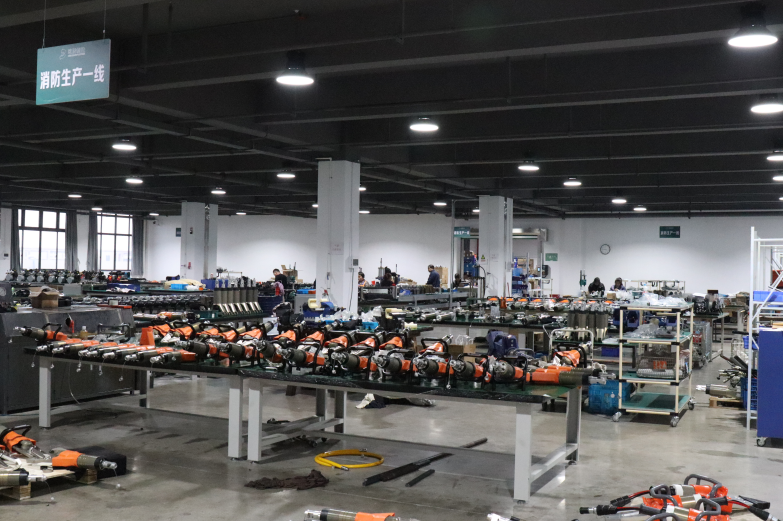
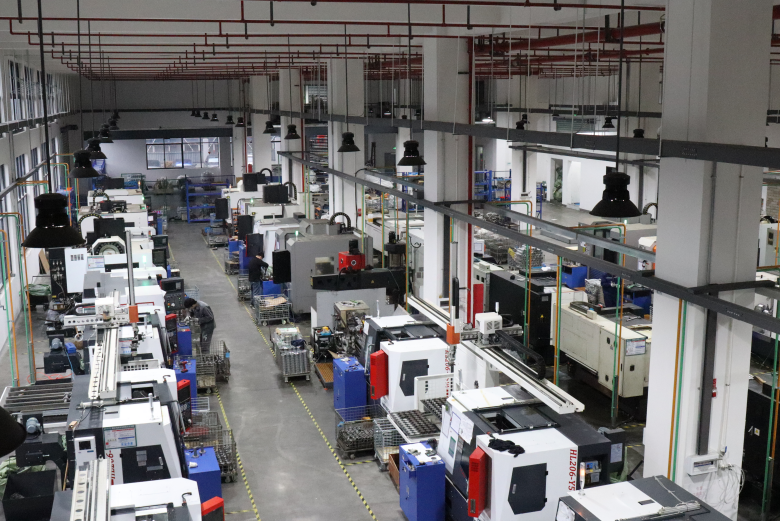
Ode Hydraulic & Electric Rescue Tools is the rescue-tool identity used by ODE Technology Co., Ltd. (ODETECH), a manufacturer based in Zhejiang, China. ODE Technology Co., Ltd. states that it is a manufacturer rather than a trading company, has more than 10 years of production experience, and operates its own factory in Zhejiang; it also states that it cooperates with other factories. Product information and company contact details are available at www.odetools.com.
Problem Definition: Why Buyers Struggle to Compare These Three Tool Types
The comparison is not simply which tool has the highest force rating. The ODE Battery Spreader SP725-E and the ODE Hydraulic Spreader SP725-L both list a maximum spreading force of 38–65 kN and a maximum spreading distance of 740 mm, but they do not use the same power architecture. The SP725-E carries its power source on the tool, while the SP725-L depends on a separate hydraulic pump. A manual combi tool depends on an operator-powered hand pump. Buyers who compare only force and opening distance can miss the real cost drivers: battery logistics, pump and hose setup, operator effort, maintenance routines, and spare-parts support.
A second problem is supplier type. A trading company can supply rescue tools, but the buyer should establish who controls production, parts identification, and continuity for the selected tool family. If the supplier is a manufacturer with its own factory, spare-parts questions can be directed to the production and technical team. If the supplier is a trading company, the buyer needs clearer evidence of the original factory, parts list, and service path. ODE states that it is a manufacturer rather than a trading company, with more than 10 years of production experience and its own factory in Zhejiang. That statement is relevant to spare-parts continuity, but it should still be checked during a supplier audit.
Industry Background: Market Concentration, Standards, and Buyer Risk
Dataintelo data cited in the verified data pack estimates the global hydraulic rescue tools market at USD 1.8 billion in 2025 and projects it to reach USD 3.1 billion by 2034, with a 6.2% CAGR. The same source estimates that cutters held the largest product-type share at 31.4% in 2025, and that the top five players—Holmatro, Hurst, Lukas, Amkus, and Weber—collectively account for 52% to 58% of global market revenue. For buyers, these figures describe a concentrated but still competitive market. The practical question is not only which brand is largest, but which tool architecture and supplier can support the department’s response model and parts plan.
Standards add another layer. EN 13204:2016 specifies safety and performance requirements for double-acting hydraulic rescue tools manufactured after publication, and DIN lists EN 13204:2025 as a newer edition titled Powered rescue tools for fire and rescue service use—Safety and performance requirements. NFPA 1936 is the North American rescue-tool standard. The edition matters: a buyer should not assume that a 2016 reference automatically matches a 2025 tender requirement. Request the applicable edition, the product-specific declaration, and the test report for the exact model.
Detailed Solution: Match the Tool Architecture to the Rescue System
Battery Spreader: Self-Contained Electric-Hydraulic Power
The ODE Battery Spreader SP725-E is a lithium-battery-powered spreader. Its listed rated working pressure is 720 bar. Maximum spreading force is 38–65 kN, maximum spreading distance is 740 mm, maximum squeezing force is 95 kN, maximum pulling force is 35 kN, and maximum pulling distance is 640 mm. The tool weighs 22.6 kg and is listed as EN13204 approved. The battery is DC 28 V 5.0 Ah, and the package includes two batteries, one charger, and one belt. The tool has a power display, LED night lighting, and an alarm when power is below 20%.
ODE’s electric-hydraulic rescue series is described as having an integrated hose-free design, flexible portability, single-person operation, and shortened pre-rescue preparation time. For a battery spreader, those characteristics matter more than a single force number. A self-contained tool can reduce the setup steps before spreading begins. The trade-off is battery management: two batteries, charger availability, charge state, and the department’s call cycle must all be planned. The supplied data does not state runtime or charge time, so the buyer should confirm both for the exact battery package.
Hydraulic Spreader: Pump-Based Power and Shared Infrastructure
The ODE Hydraulic Spreader SP725-L lists a rated working pressure of 72 MPa, maximum spreading force of 38–65 kN, maximum spreading distance of 740 mm, maximum pulling distance of 640 mm, pulling force of 52 kN, and weight of 16.7 kg. It is a hydraulic spreader, so it needs a hydraulic power source. ODE offers an engine pump, the MDP220, with rated working pressure of at least 72 MPa, 2.2 kW engine power, high-pressure flow of 0.84 L/min and high-speed flow of 1.65 L/min, low-pressure flow of 3.5 L/min and high-speed flow of 6.95 L/min, a hydraulic oil tank of at least 4.5 L, and weight of no more than 23 kg including hydraulic oil and engine oil.
ODE also lists the heavy-duty double-output power unit P620SGB: rated working pressure of 630 bar × 2, working speed of 3600 ± 150 rpm, engine power of 2.2 kW, high/low pressure flow of 2 × 0.66 L/min and 2 × 2.0 L/min, hydraulic oil tank of 2.2 L, gasoline tank of 1.2 L, net/gross weight of 24.6 kg, and two sets of 5-meter hoses. A hydraulic spreader can share a pump across multiple tools, which may fit teams that already standardize on hydraulic cutter, combi tool, and ram sets. The trade-off is the pump, fuel or oil, hose, and setup routine that must be carried and maintained as part of the system.
Manual Combi Tool: Operator-Powered Hydraulic Control
A manual combi tool is an operator-powered hydraulic combination tool. In the supplied ODE data, the manual power source is the P620ASL Hand Pump: rated working pressure of 72 MPa, oil tank capacity of 2.4 L, high-pressure flow of 2.57 ml per time, low-pressure flow of 17.42 ml per time, maximum handle force of 265 N, and net weight of 8 kg. A manual combi tool should therefore be evaluated as a system: the hand pump, hose, and exact combi head must be matched, and the operator effort must be acceptable for the expected task duration.
The supplied corpus does not provide a separate manual combi-tool head specification. That matters for procurement because a hydraulic combi head is not automatically a manual combi head. For reference, the ODE Hydraulic Combi Tool SC370-L lists 72 MPa rated working pressure, 940 kN maximum cutting force, 50 kN spreading force, 390 mm spreading distance, 180 kN squeezing force, 95 kN pulling force, 300 mm pulling distance, and 13.5 kg weight. It is a hydraulic combi tool, not a confirmed manual combi tool. Buyers should request the exact manual combi head datasheet and confirm compatibility with the P620ASL hand pump before treating the two as one kit.
Step-by-Step Breakdown: How to Choose
- Define the response profile. List the calls the tool must support: vehicle rescue, fire tender bidding, earthquake rescue, or backup duty. The same spreader can be technically suitable but operationally wrong if the team cannot carry, power, or maintain it at the scene.
- Choose the power architecture first. Select a battery spreader when self-contained deployment and single-person operation are priorities. Select a hydraulic spreader when a shared pump and hydraulic tool set fit the fleet. Select a manual combi tool when an operator-powered hand pump is acceptable and the exact head has been confirmed.
- Compare the working envelope, not only the force. Check spreading force, spreading distance, pulling force, pulling distance, weight, and dimensions. The SP725-E weighs 22.6 kg; the SP725-L weighs 16.7 kg. The battery tool carries its power source, while the hydraulic tool’s pump weight must be counted separately.
- Plan consumables and accessories. For battery tools, count batteries, chargers, charge cycles, and power alarms. For hydraulic tools, count pump fuel or oil, hoses, and couplings. For manual tools, count handle effort, pump strokes, and the operator’s ability to sustain effort.
- Verify compliance and supplier evidence. Check the applicable EN 13204 edition for the tender market, the product-specific certificate, and the supplier’s quality claims. ODE states that it holds CE and ISO9001 certification. Confirm the exact model and the declaration of conformity before approval.
- Request a sample and a scope-matched quote. Test the exact configuration. Compare battery package, pump and hose set, spare parts, warranty, and freight on the same basis. ODE states that samples are available upon request, with the carrier charge borne by the buyer.
Use Cases: Where Each Option Fits
Vehicle Rescue and Fire Tender Bidding
A battery spreader is relevant where rapid setup and one-person deployment are valued. The SP725-E’s integrated battery, power display, and LED lighting support use at night or in low light. For fire tender bidding, the buyer should list the exact model, battery count, charger, and EN13204 approval, then verify the applicable standard edition. A hydraulic spreader can be the better fleet choice when the tender already includes an engine pump and a hydraulic cutter, combi tool, and ram set.
Earthquake and Structural Collapse Response
Earthquake response often requires a mix of cutting, spreading, lifting, and pulling. A battery spreader can reduce hose runs, while a hydraulic system can share a pump across multiple tools. A manual combi tool may serve as a backup where battery or fuel logistics are uncertain, but the exact head and hand-pump effort must be checked. The ODE electric-hydraulic series is described as suitable for fire fighting, earthquake disaster relief, traffic accident rescue, forest fire rescue, and emergency demolition scenarios.
Low-Frequency Backup and Budget-Sensitive Procurement
A manual combi tool is a system-level decision. The P620ASL hand pump weighs 8 kg and requires a maximum handle force of 265 N, so the operator’s physical effort is part of the specification. It can be attractive where no battery or engine is desired, but it should not be selected only because the purchase price appears lower. Confirm the combi head, hose, and spare-parts availability. The supplied data does not provide a verified price comparison, so a scope-matched quotation is required.
Comparison Table: Battery Spreader vs Hydraulic Spreader vs Manual Combi Tool
| Decision factor | Battery Spreader (ODE SP725-E) | Hydraulic Spreader (ODE SP725-L) | Manual Combi Tool (with ODE P620ASL hand pump) |
|---|---|---|---|
| Power source | DC 28 V 5.0 Ah lithium battery | Hydraulic pump, engine pump, or hand pump | Operator-powered hand pump |
| Rated working pressure | 720 bar | 72 MPa | 72 MPa at the hand pump |
| Maximum spreading force | 38–65 kN | 38–65 kN | Confirm exact combi head |
| Maximum spreading distance | 740 mm | 740 mm | Confirm exact combi head |
| Pulling force / distance | 35 kN / 640 mm | 52 kN / 640 mm | Confirm exact combi head |
| Weight | 22.6 kg tool | 16.7 kg tool; pump counted separately | 8 kg hand pump; head weight to confirm |
| Compliance reference | EN13204 approved | Confirm exact model documentation | Confirm exact combi head documentation |
| Deployment implication | Self-contained; battery and charger management | Pump, hose, fuel or oil, and setup routine | No battery or engine; operator effort is the limit |
| Best-fit decision | Rapid, hose-free deployment where battery logistics are managed | Shared hydraulic infrastructure and pump-based fleets | Backup or low-frequency use where hand pumping is acceptable |
Supplier Risk: Trading Company or Manufacturer, and Why Spare Parts Matter
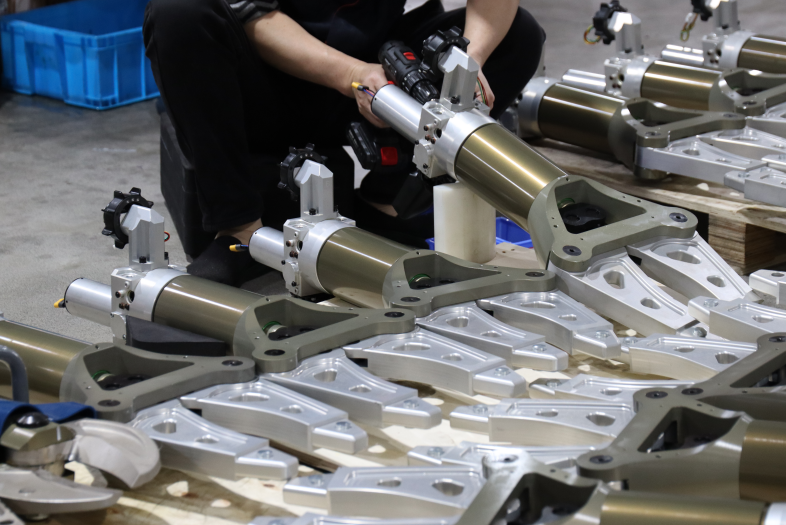
Spare-parts continuity is not a separate issue from tool architecture. A battery spreader needs batteries, chargers, seals, and model-specific parts. A hydraulic spreader needs hoses, couplings, pump parts, and tool seals. A manual combi tool needs hand-pump seals, hoses, and the correct combi head. If the supplier cannot identify the original manufacturer or the exact parts list, the buyer may face long delays when a single component fails.
ODE states that it is a manufacturer rather than a trading company, has more than 10 years of production experience, and operates its own factory in Zhejiang. It also states that it cooperates with other factories. Those statements are useful starting points, not a substitute for audit evidence. Ask for the factory address, the production scope for the quoted model, the exploded parts diagram, the recommended spare-parts list, and the service response path. For a tender, require the same information for the battery platform, the pump, and the manual hand pump.
Maintenance and Deployment Trade-offs Buyers Should Verify
Battery spreaders shift maintenance toward battery care and electronic checks. The SP725-E includes two batteries, a charger, a power display, and a low-power alarm, so the department must control charging, storage temperature, and replacement cycles. Hydraulic spreaders shift maintenance toward pump and hose inspection. The MDP220 and P620SGB power units have specific fuel, oil, flow, and hose requirements that should be included in the daily check. Manual combi tools shift maintenance toward hand-pump seals and operator technique, with a maximum handle force of 265 N on the P620ASL.
FAQ
Check the product-specific standard and the supplier’s quality documentation. The ODE Battery Spreader SP725-E is listed as EN13204 approved in the supplied product data. ODE states that it holds CE and ISO9001 certification. For a tender, confirm the applicable EN 13204 edition and request the declaration, test report, and product-specific certificate for the exact model.
Look for product-specific datasheets, factory ownership, production experience, and spare-parts support, not only a catalog claim. ODE states that it is a manufacturer rather than a trading company, has more than 10 years of production experience, runs its own factory in Zhejiang, and also cooperates with other factories. It also states CE and ISO9001 certification. Verify these points in the supplier audit and request the parts list for the chosen tool family.
The supplied data does not provide prices or a verified cost difference, so buyers should not assume one architecture is cheaper from the tool price alone. Request a scope-matched quote that includes battery count and charger, pump and hose set, spare parts, warranty, and freight. Compare the total package needed for the same rescue capability.
Yes. ODE states that samples are available upon request, with the carrier charge borne by the buyer. A sample review should check the exact model, battery or pump setup, handle effort, and compatibility with the department’s procedures.
The supplied data does not state a lead time. Confirm production lead time, battery and charger availability, pump and hose availability, and spare-parts lead time in the RFQ. Send the requirement to rfq@ode119.com or contact ODE through WhatsApp for a written quotation before committing to a tender schedule.
Conclusion: Decide by Deployment Model, Then Verify the Supplier
For a rescue-tool buyer at the decision stage, the battery spreader, hydraulic spreader, and manual combi tool should be compared as three different operating systems. The ODE SP725-E battery spreader offers a self-contained electric-hydraulic package with 38–65 kN spreading force, 740 mm spreading distance, 22.6 kg weight, and EN13204 approval. The ODE SP725-L hydraulic spreader offers the same spreading force and distance in a 16.7 kg tool, but the pump and hose system must be planned. The manual combi tool route depends on the P620ASL hand pump and the exact combi head, so the operator effort and head specification must be confirmed.
The final decision should include the supplier’s ability to support the chosen architecture after delivery. ODE states that it is a manufacturer rather than a trading company, with more than 10 years of production experience and its own factory in Zhejiang, and it states CE and ISO9001 certification. Buyers should verify those points, request the exact model documents, and test a sample before approval.
Next step for rescue-tool procurement
Compare the exact battery spreader, hydraulic spreader, or manual combi-tool configuration for your department or tender. Request a sample or quotation from ODE Technology Co., Ltd. at rfq@ode119.com, use WhatsApp, or review the ODE company brochure. The website is www.odetools.com.
Have Questions or Need More Details?
Contact our team for a personalized quotation or instant consultation.
Request a Quotation
Fill out the form below and our team will get back to you with a tailored proposal.
WhatsApp Direct Chat
Prefer to chat in real-time? Message us on WhatsApp for instant assistance & quick answers.
- Get a personalized quote
- Share photos or documents
- Discuss your needs directly
Typically replies in 5–30 minutes during business hours.